

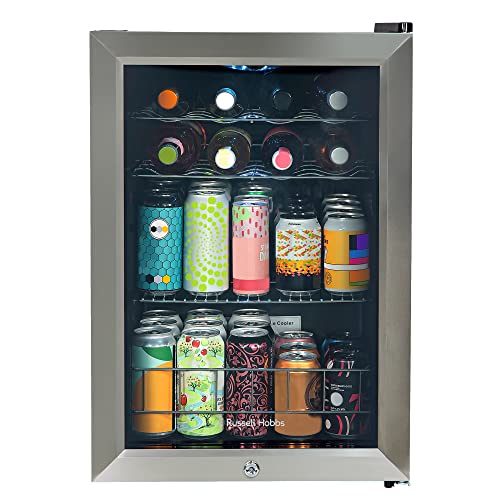
 How a Wine Cooler and Fridge Can Help Preserve Your Cabernet Sauvignon and White Zinfandel
Wine refrigerators keep your White Zinfandel and Cabernet Sauvignon at the perfect serving temperature. Some, like the KitchenAid(r) Undercounter Wine Cellar also regulate the humidity levels to help protect the labels and wines from mould.
Traditional refrigerators come with a myriad of risks that could contaminate the commercial wine fridge‘s flavorful aroma. This is why designated wine fridges are in place.
Temperature Ideal
A wine refrigerator is a fantastic way to keep a collection of wines in the optimal serving temperature, making it easier for you to serve them at their best. To keep the aroma and flavor of the wine and to slow the process of aging, the temperature should be constant and stable. The temperature of the wine should be a little lower than the room temperature to avoid the wine from getting too cold and losing its taste.
The best wine coolers are designed to maintain a temperature between 54 and 57 degrees Fahrenheit (11 and 14 Celsius). This is a great temperature range for storage that lasts a long time, as it will slow the aging process and prevent the wine from becoming too dry. The temperature should not be too high, since this could cause oxidation or other issues.
You can either use a single-zone wine fridge to store all your wine rack fridge, or you can purchase a dual zone wine refrigerator that lets you separate wine into two zones to better control the temperature. You can store red wines in one zone and whites in the other to serve each wine at the right temperature. This will increase the enjoyment of drinking wine fridge integrated and make it easy to prepare for a cocktail party or a dinner. It is easy to move the bottles in the right zone prior to the night before.
Some models of wine refrigerators come with a user guide which provides details about specific temperature settings. This manual is crucial to know the features of temperature control on your wine cooler. It is also an excellent idea to check regularly the temperature of your wine fridge, as fluctuations can occur. It is recommended to keep the wine refrigerator far from sunlight and heat sources which will help to keep the interior of the fridge from getting too hot. It is best to avoid opening the wine refrigerator often because this can cause the temperature to fluctuate.
Humidity Control
Humidity plays an important role in the storage of wine. Low levels of humidity can cause seals and corks to dry out. This can weaken the seal and allows oxygen to enter the bottle. This can alter the flavor of the wine, and can cause off-flavors. High humidity promotes the development of mildew and mold which can impact the labels on wine bottles. A wine cooler with humidity control can help to achieve optimal aging for your collection of fine wines.
The ideal humidity range is between 50% and between 50% and. Certain wine refrigerators have a dehumidifying function that aids in controlling humidity by removing excess moisture. This is important as excessive humidity can affect the quality and readability of wine labels. Additionally, consistent humidity levels foster even maturation of your wine collection and aid in the development of complex flavors over time.
Humidification methods for your wine fridge are easy and easy to implement. Most often, a small tray of water is set in the base of the refrigerator. In time, the water will evaporate and raise the humidity of your wine refrigerator. You can also install a humidifier that is designed for use in small spaces. Many are energy-efficient and offer an adjustable humidity setting.
Baking soda is a different option. It is a natural substance that absorbs moisture. properties. Unscrew a container and place it strategically inside your refrigerator to minimize excess moisture. You can also make use of silica gel bags, which are often used to package electronic items and food items. Make certain to replace them regularly.
Certain wine fridges come with built-in humidity control systems that automatically regulate humidity levels based on pre-set parameters. They are generally more precise than passive methods, and can be especially useful if you have a large wine cellar that has diverse humidity requirements for various kinds of wines. Finally, professional wine cellars come with built-in cooling systems that provide a controlled environment to age your wine collection. These are best for wines that are expensive and require a stable environment to age.
Noise Reduction
Wine coolers and refrigerators are great investments for those looking to maintain the quality their wines. During operation, however, these appliances can create some noise that may be disruptive or distracting. There are several ways to reduce the amount of noise that these units produce.
Compressor cycling is a significant source of noise in beer wine refrigerator refrigerators. This is the process of circulating refrigerant to cool the refrigerator’s interior, which can cause the fridge to groan and make buzzing sounds. Because of this, it is crucial to ensure that the fridge is placed on a flat and level surface to avoid causing vibrations or noise.
Internal Vibrations
Another cause of wine fridge noise is the sound of scraping or rattling caused by the movement of bottles against one another and the shelves. To minimize the noise make sure the bottles are tightly packed and securely stored to minimize movement. To reduce the sound, it is recommended to use wooden racks or shelves instead of metal.
The amount of noise that is emitted from a wine fridge can be lowered by maintaining the proper airflow. Regularly cleaning the fridge is important to remove dust and other debris that could accumulate and interfere the flow of air. It is also recommended to put an isolation pad made of rubber under the fridge. This will help keep it away from the hard flooring and minimize any vibrations that could cause noise.
Typically, wine refrigerators produce 35 to 45 decibel levels in normal operation. This is similar to the background noise heard in a quiet suburban residence or library, and is considered an appliance that has the lowest noise level.
If you are experiencing a wine refrigerator that is making louder than normal noises, it is often helpful to consult the manufacturer’s troubleshooting guide or request repair visits. This will tell you whether the appliance is operating exactly as it should, or when a more serious issue is present. The technician can diagnose the issue and correct it if necessary.
Versatility
A refrigerator is ideal for keeping drinks cold, but if you want to store and mature top wine fridge in a refrigerator, it might not be the best environment. A wine cooler keeps your bottles at a perfect temperature and shield them from harmful vibrations. It also keeps the level of humidity to ensure optimum storage.
The standard fridge is usually open several times per day which allows moist air to enter the refrigerator and cause the temperature to change. This can cause damage to your wine, since it takes time for the temperature to return to its ideal. A wine refrigerator is, on the other hand, has fewer openings and locks to minimize temperature fluctuations as well as exposure to air. Wine fridges are equipped with an absorption system that absorbs vibrations to prevent wine damage caused by vibrations from the compressor.
A wine refrigerator can also help prevent the unwanted smells from other food items in the refrigerator from getting into your wine bottle. This could affect the flavor of your wine, as well as create a strong odor on the cork, which could get into the wine.
In addition, a wine refrigerator can store both red and white wines and often comes with display shelves designed to hold your bottles upright to display their beautiful label artwork. Some wine refrigerators have dual zones that allow you to chill wine, age it and store it at different temperatures. A wine fridge is essential for any home, whether you are a wine enthusiast or simply enjoy sharing a glass of wine with friends. You can find them in various sizes and styles that include freestanding units as well as built-in models. Find the perfect wine fridge.